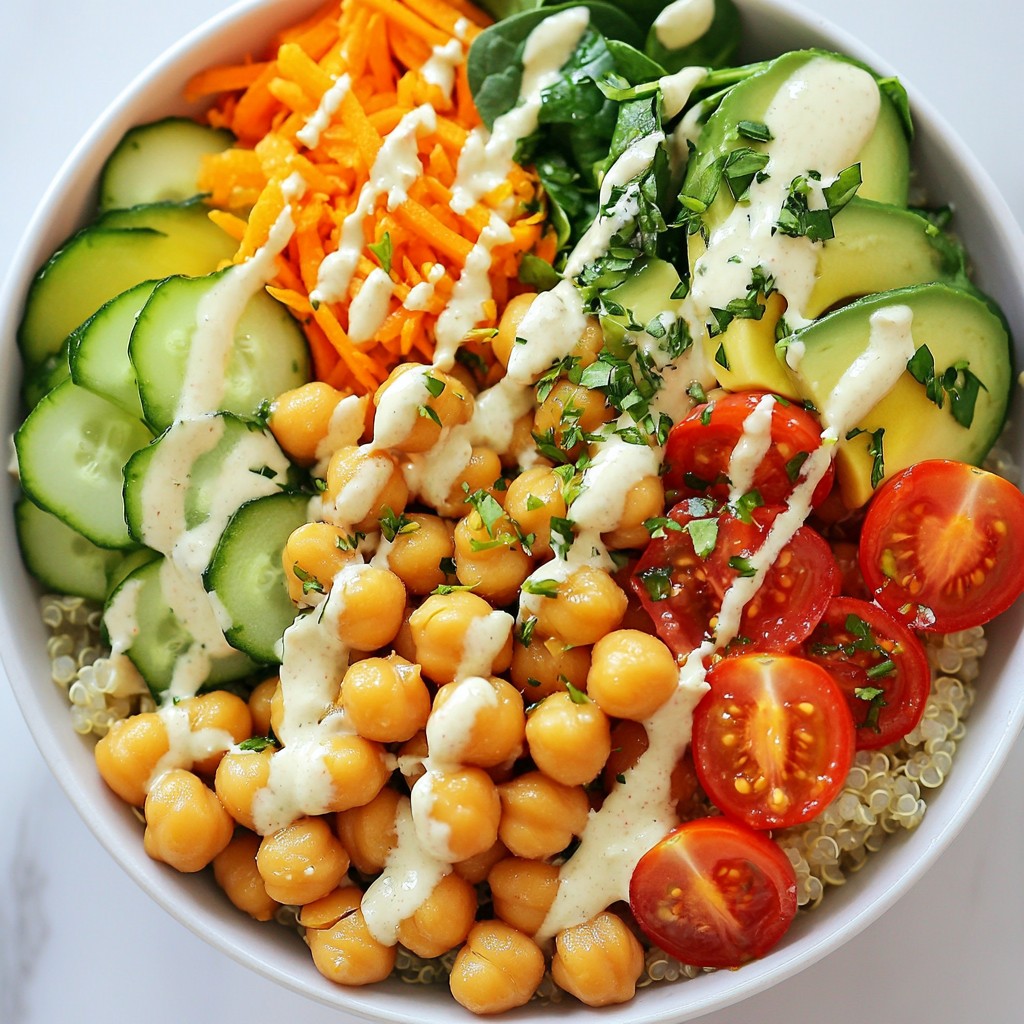
Looking for a delicious way to shed pounds? Healthy Weight-Loss Buddha Bowls are your answer! These tasty creations are packed with nutrient-rich ingredients like quinoa, fresh veggies, and a zesty tahini dressing. In this guide, I will show you simple steps to create beautiful, satisfying bowls that support your weight loss goals. Let’s dive into the world of Buddha bowls and start your journey to healthier meals!
Why I Love This Recipe
- Nutritious Ingredients: This bowl is packed with wholesome ingredients like quinoa, chickpeas, and fresh vegetables, making it a balanced meal.
- Versatile and Customizable: You can easily swap in your favorite veggies or proteins, making it adaptable to your taste preferences.
- Quick and Easy to Prepare: With a total time of just 30 minutes, this recipe is perfect for busy weeknights or meal prep.
- Deliciously Satisfying: The combination of flavors and textures, especially with the tahini dressing, creates a satisfying and tasty meal.
Ingredients
Essential Ingredients for Healthy Buddha Bowls
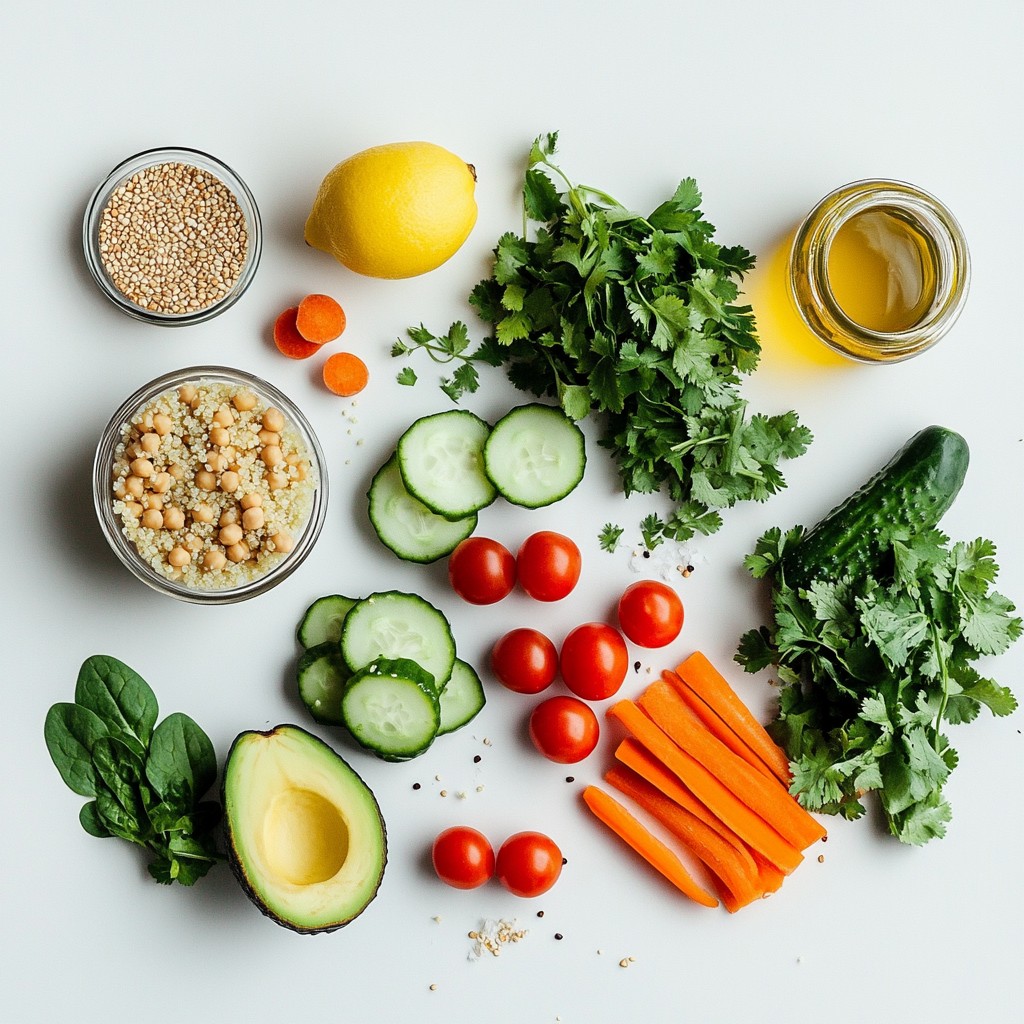
To create a healthy Buddha bowl, you need a mix of ingredients that are tasty and nutritious. Here’s what you should have:
- 1 cup quinoa, rinsed
- 2 cups vegetable broth (or water)
- 1 cup chickpeas, canned and drained
- 1 cup cherry tomatoes, halved
- 1 medium cucumber, diced
- 1 ripe avocado, sliced
- 1 cup baby spinach
- 1 carrot, grated
- 1/4 cup tahini
- 2 tablespoons lemon juice
- 1 tablespoon olive oil
- 1 clove garlic, minced
- Salt and pepper to taste
- Fresh herbs (like parsley or cilantro) for garnish
Each ingredient plays a role. Quinoa forms the base and provides protein. Chickpeas add fiber and more protein. Fresh vegetables like tomatoes, cucumber, and spinach bring crunch and color. Avocado adds creaminess and healthy fats. The tahini dressing ties it all together with a nutty flavor.
I always recommend using fresh herbs. They not only add flavor but also brighten the bowl's look. You can feel good about these ingredients. They support healthy weight loss while keeping your meals delicious.
Step-by-Step Instructions
Cooking the Quinoa
To cook the quinoa, start by rinsing 1 cup of quinoa under cold water. This step removes any bitter taste. In a medium saucepan, combine the rinsed quinoa and 2 cups of vegetable broth. Bring this mix to a boil over medium-high heat. Once it boils, reduce the heat. Cover the pot and let it simmer for about 15 minutes. The broth should absorb fully, making the quinoa fluffy. After cooking, remove it from the heat but leave the lid on for an extra 5 minutes. This resting time helps the quinoa become even fluffier.
Preparing the Tahini Dressing
While the quinoa cooks, grab a small bowl to make the tahini dressing. Mix together 1/4 cup tahini, 2 tablespoons lemon juice, 1 minced garlic clove, and 1 tablespoon olive oil. Whisk these ingredients until smooth. If the dressing feels too thick, add a little water to get your desired consistency. Taste it and adjust with salt and pepper to enhance the flavor. This dressing adds a creamy touch to your bowl.
Assembling the Buddha Bowl
Now it’s time to put your bowl together! Start with a scoop of cooked quinoa as the base in four bowls. Next, layer the veggies around the quinoa. Add 1 cup of chickpeas, 1 cup of halved cherry tomatoes, 1 diced cucumber, 1 sliced avocado, 1 grated carrot, and 1 cup of baby spinach. Arrange the veggies in a pretty way to make the bowl inviting. When serving, think about portion control. Each bowl should be colorful and balanced. Drizzle the tahini dressing generously over the top. You can also serve extra dressing on the side. Finish each bowl with fresh herbs for extra flavor and a nice look.
Tips & Tricks
Perfecting Your Buddha Bowl
To get the right texture, cook your quinoa well. Use two cups of vegetable broth for one cup of quinoa. This gives it a fluffy feel. After cooking, let it sit covered for five minutes. This step helps all the moisture soak in.
When it comes to presentation, how your bowl looks matters. A colorful bowl is more inviting. Use fresh veggies like bright cherry tomatoes and green spinach. Arrange them in a way that looks good. This makes your meal feel special.
Nutritional Enhancements
Want more protein? Add grilled chicken or tofu. Both options boost the dish's protein content. If you want more fiber, try adding lentils or black beans. They are great choices.
Using seasonal vegetables makes your bowl even better. Fresh veggies taste great and are full of nutrients. In spring, add asparagus or peas. In fall, try roasted squash or sweet potatoes. The colors and flavors change with the seasons, keeping your meals exciting.
Pro Tips
- Use Fresh Ingredients: For the best flavor and nutrition, opt for fresh vegetables and ripe avocados. This enhances the overall taste of your Buddha bowl.
- Customize Your Toppings: Feel free to add or substitute any of your favorite veggies or proteins. Grilled chicken, roasted sweet potatoes, or sautéed greens work wonderfully.
- Make Ahead: Prepare the quinoa and chop the vegetables in advance. Store them separately in the fridge to save time on busy days.
- Experiment with Dressings: While tahini dressing is delicious, try other dressings like balsamic vinaigrette or a yogurt-based sauce for different flavor profiles.
Variations
Different Base Options
You can switch up the base of your Buddha bowl easily. Instead of quinoa, try using brown rice or farro. Both grains add a hearty texture and flavor. Brown rice is rich in fiber, while farro offers a nutty taste.
If you want to go low-carb, consider cauliflower rice or zucchini noodles. Cauliflower rice is light and absorbs flavors well. Zucchini noodles add a fresh crunch and work great with dressings.
Flavor Profile Adjustments
Your Buddha bowl can shine with different dressings and seasonings. For a twist, try a lemon-tahini dressing with a hint of maple syrup. You can also use a spicy sriracha sauce to kick it up a notch!
Adding proteins like grilled chicken or tofu makes your bowl more filling. Grilled chicken gives a savory taste, while tofu is a great plant-based option. Both add healthy protein to fuel your day.
Feel free to mix and match these ideas to create your perfect Buddha bowl!
Storage Info
Best Practices for Storing Leftovers
To keep your Buddha bowls fresh, use airtight containers. Glass or BPA-free plastic containers work well. Fill each container with your bowl's ingredients, but keep the dressing separate to prevent sogginess.
Store leftovers in the fridge for up to three days. If you want to keep them longer, freeze the quinoa and chickpeas. They will last for up to three months in the freezer. When you're ready to eat, just thaw them out in the fridge overnight.
Reheating Tips
Reheat your Buddha bowls gently to maintain their taste and texture. Use the microwave on low power for about one to two minutes. You can also use a stovetop pan. Heat on low, adding a splash of water to help steam the veggies.
Always check the temperature before eating. Make sure your food reaches 165°F to ensure it's safe to consume. Enjoy your nutritious meal even after storing!
FAQs
Can I make Buddha bowls ahead of time?
Yes, you can make Buddha bowls ahead of time! Meal prep saves time and effort. Start by cooking the quinoa and chickpeas. Store them in separate containers. You can also chop your veggies in advance. Keep the dressing in a jar in the fridge. This way, you can quickly assemble your bowls when you are ready to eat. Just remember to add fresh ingredients right before serving for the best flavor.
What are the health benefits of Buddha bowls?
Buddha bowls are packed with nutrients. They offer a balance of protein, healthy fats, and carbs. Quinoa provides protein and fiber, which helps with weight loss. Chickpeas add more fiber and protein, keeping you full longer. Fresh veggies like spinach and tomatoes give vitamins and minerals. Avocado adds healthy fats, which support heart health. This balance helps you feel satisfied while keeping your calories in check.
How can I customize my Buddha bowl?
Customizing your Buddha bowl is easy! You can swap ingredients based on your taste or diet. Try different grains like brown rice or farro as your base. Add proteins like grilled chicken, tofu, or beans for more variety. You can change the vegetables based on what you have or what’s in season. Want more flavor? Experiment with different dressings or spices. The key is to mix and match what you love!
Buddha bowls are a fun and healthy meal option. We explored key ingredients, from quinoa to tasty dressings. I shared step-by-step instructions for cooking and assembling your bowl. Remember to play with flavors and textures, too. You can easily adjust recipes to fit your taste. Store leftovers properly to keep them fresh longer. With these tips, you can enjoy a colorful, nutritious meal. Now, get creative and make your perfect Buddha bowl!